
The History of Junior Chamber International (JCI)
Introduction
Junior Chamber International (JCI) is one of the world’s most influential youth-led non-profit organizations, dedicated to developing leadership skills, fostering entrepreneurship, and creating positive change in communities across the globe. With a presence in over 100 countries and hundreds of thousands of members, JCI has become a powerful platform for young people aged 18 to 40 to grow personally and professionally while contributing meaningfully to society.
Understanding the history of JCI provides valuable insight into how a small movement of civic-minded individuals in the United States evolved into a global network of leaders. This journey is not just about organizational growth—it is about the evolution of youth leadership, civic engagement, and international collaboration over more than a century.
The Origins of JCI (1910–1920)
The roots of JCI can be traced back to 1910 in St. Louis, where a young civic leader named Henry Giessenbier Jr. recognized the need to engage young men in community development and leadership activities.


At the time, civic organizations were typically dominated by older, established individuals. Young men had limited opportunities to participate in leadership roles or contribute meaningfully to their communities. Giessenbier sought to change this.
In October 1910, he founded the Young Men’s Progressive Civic Association (YMPCA). The organization’s mission was simple but powerful: to provide young men with opportunities for leadership development through active participation in community service.
This marked the beginning of a movement that would later grow into Junior Chamber International.
Formation of the United States Junior Chamber (1920)
By 1920, the movement had gained significant traction across various cities in the United States. Recognizing the need for a unified national structure, representatives from several local groups came together to form the United States Junior Chamber of Commerce, commonly known as the Jaycees.

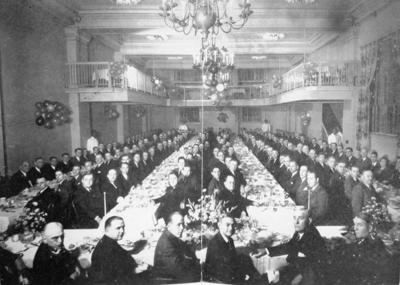

The term “Junior Chamber” reflected the organization’s focus on younger members of the business community who were eager to develop leadership skills and contribute to economic and civic progress.
Key characteristics of this period included:
- A strong emphasis on business development and civic responsibility
- Programs designed to improve public speaking, management, and leadership skills
- Community projects aimed at addressing local issues
The Jaycees quickly became a respected organization in the United States, attracting ambitious young individuals who would later become influential leaders in business, politics, and society.
Expansion Beyond the United States (1920s–1940s)
As the success of the Jaycees grew, interest in similar organizations began to spread internationally. By the 1930s and 1940s, Junior Chamber organizations had been established in several countries, including Canada, Mexico, and parts of Europe.

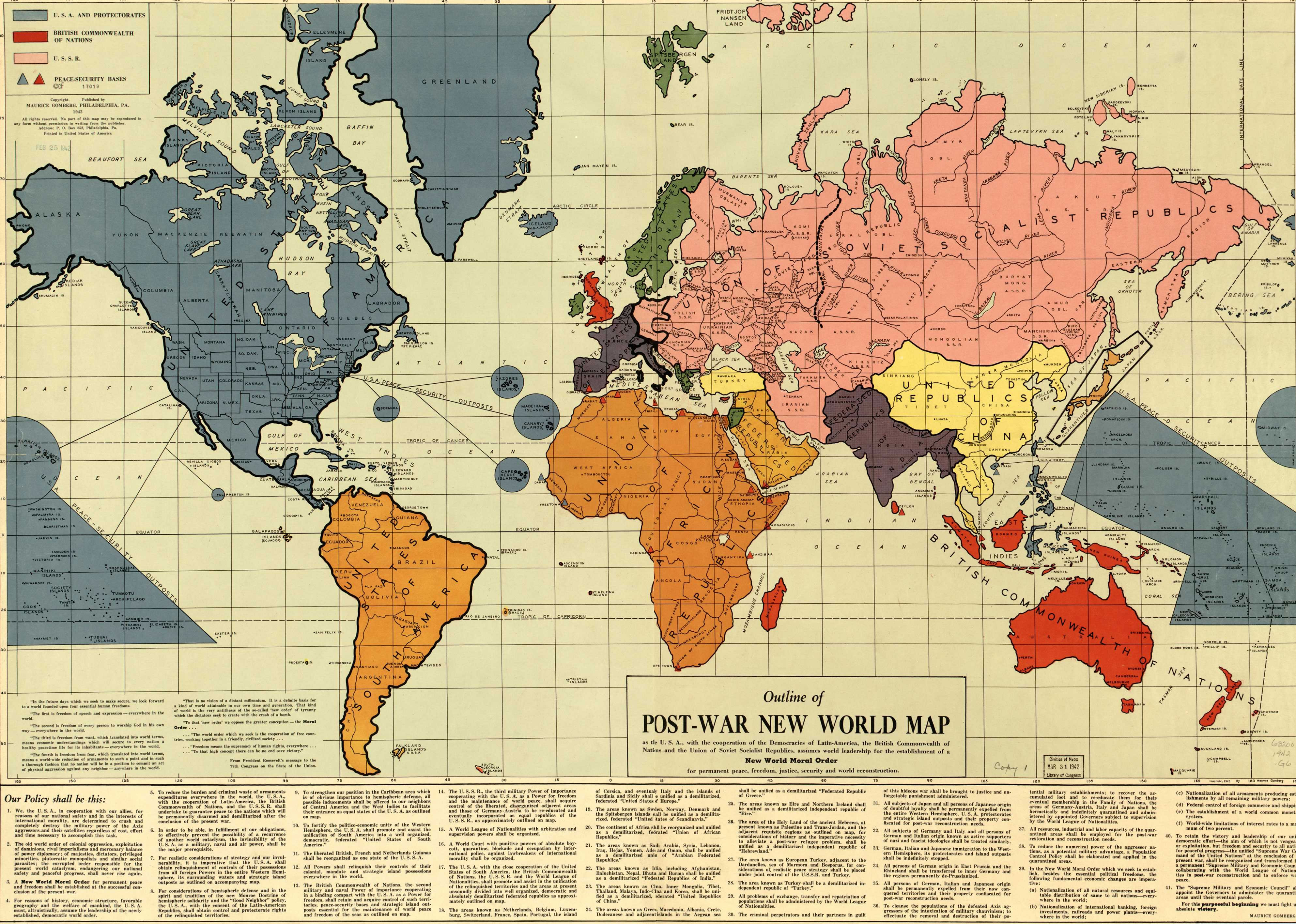
This period marked the beginning of JCI’s transformation from a national organization into a global movement.
However, the expansion was temporarily slowed by World War II, which disrupted international collaboration and communication. Despite these challenges, the idea of a global network of young leaders continued to gain momentum.
Establishment of Junior Chamber International (1944)
A major milestone in the history of JCI occurred in 1944, when representatives from several countries gathered in Mexico City to formally establish Junior Chamber International (JCI).


The founding countries included:
- United States
- Mexico
- Canada
- Costa Rica
- El Salvador
- Guatemala
- Honduras
- Nicaragua
- Panama
The creation of JCI marked a significant shift:
- From a national organization to an international federation
- From local civic engagement to global collaboration
- From isolated initiatives to structured international programs
The mission of JCI was clear:
To provide development opportunities that empower young people to create positive change.
Post-War Growth and Global Expansion (1950s–1970s)
Following World War II, the world entered a period of reconstruction and international cooperation. This environment provided fertile ground for JCI to expand rapidly.

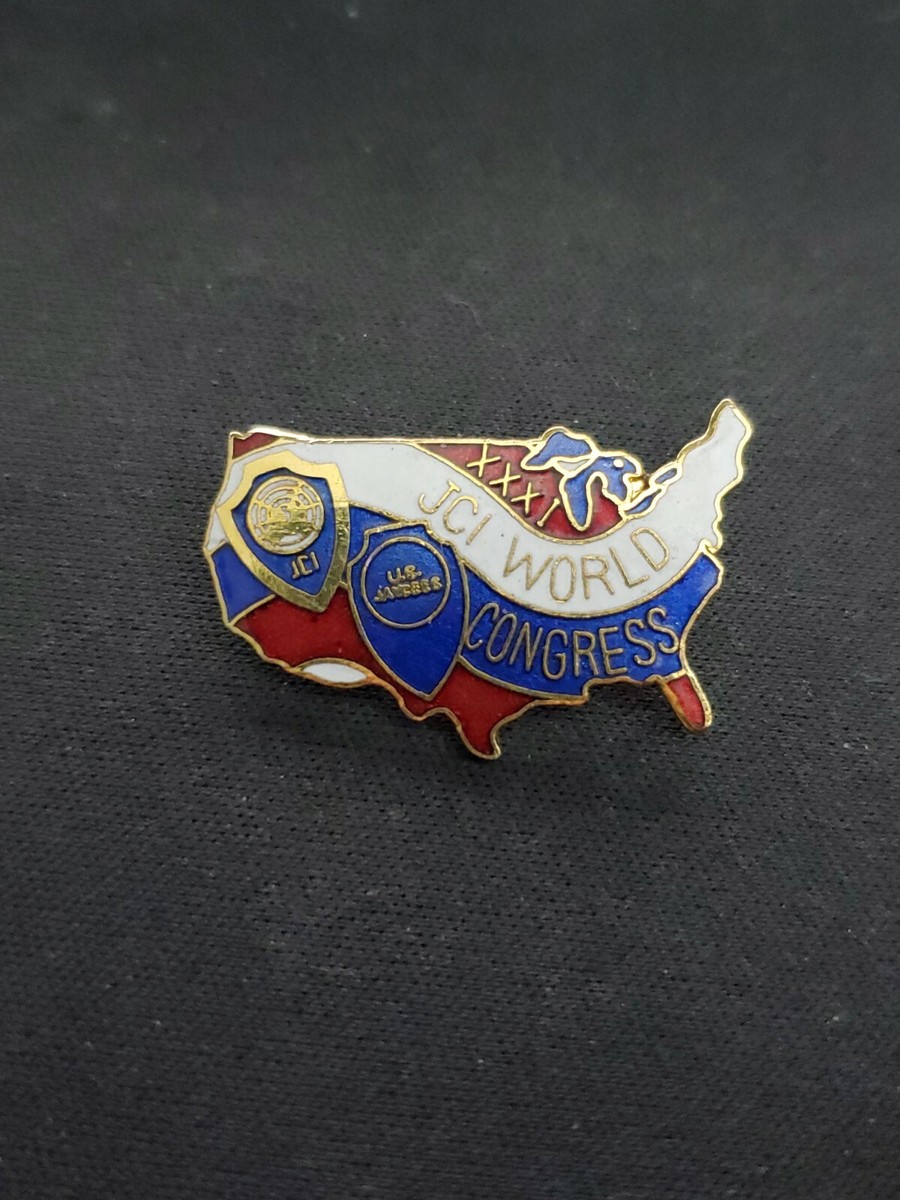

During the 1950s to 1970s:
- JCI expanded into Europe, Asia, and Africa
- Membership grew significantly as more countries established local organizations
- The JCI World Congress became a key annual event for global networking and knowledge exchange
This era also saw the development of:
- Leadership training programs
- Community impact projects
- International partnerships
JCI began to position itself as a platform for global citizenship, encouraging members to think beyond their local communities and contribute to international development.
Introduction of Women Members (1980s)
One of the most significant milestones in JCI’s history was the inclusion of women as full members during the 1980s.
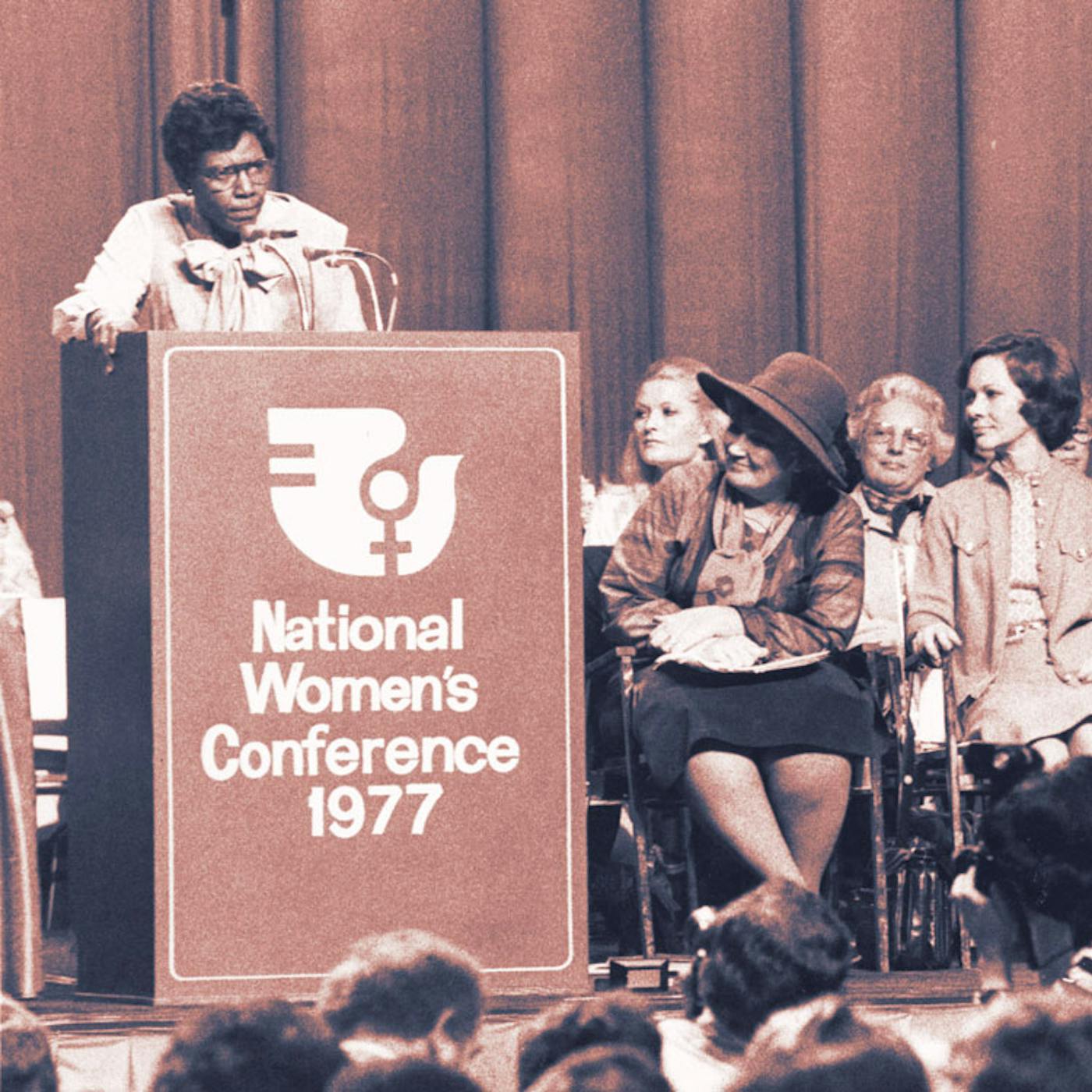


Initially, JCI (like many organizations of its time) was predominantly male. However, as societal norms evolved, JCI embraced inclusivity and gender equality.
The inclusion of women led to:
- Greater diversity in leadership perspectives
- Expanded membership and participation
- Stronger community impact through inclusive initiatives
This change reflected JCI’s commitment to staying relevant and aligned with global values.
Modernization and Strategic Partnerships (1990s–2000s)
As globalization accelerated in the 1990s and early 2000s, JCI adapted by modernizing its structure and forming strategic partnerships with international organizations.



Key developments included:
- Collaboration with organizations such as the United Nations
- Alignment with global development goals
- Introduction of structured programs focused on:
- Entrepreneurship
- Sustainable development
- Civic engagement
JCI also embraced technology, improving communication between national organizations and enhancing the reach of its programs.
JCI in the 21st Century
Today, JCI is a dynamic global network with members in more than 100 countries.


Modern JCI focuses on four key areas of development:
- Individual Development
- Public speaking
- Leadership training
- Personal growth
- Community Impact
- Social projects
- Environmental initiatives
- Volunteer work
- Business and Entrepreneurship
- Networking opportunities
- Business skill development
- Startup support
- International Collaboration
- Global partnerships
- Cultural exchange
- International events
JCI continues to host major events such as:
- JCI World Congress
- Area conferences (Asia-Pacific, Europe, Africa & the Middle East, Americas)
These events bring together thousands of young leaders to share ideas, build networks, and collaborate on global challenges.
JCI’s Presence in Singapore
In Singapore, JCI has a strong and active presence through organizations such as JCI Singapore and local chapters like JCI Mandarin.


JCI Singapore plays a significant role in:
- Developing young leaders
- Organizing community projects
- Facilitating business networking
- Promoting international collaboration
Local chapters regularly conduct:
- Leadership workshops
- Volunteer initiatives
- Business networking events
- Community outreach programs
For many young professionals in Singapore, JCI serves as a stepping stone to greater leadership roles in business and society.
Core Values and Mission of JCI
Throughout its history, JCI has remained guided by a set of core values:
- Faith in human potential
- Service to humanity
- Leadership development
- International cooperation
Its famous creed emphasizes that:
- Service to humanity is the best work of life
- Economic justice can best be won by free people through free enterprise
- Government should be of laws rather than of men
These principles continue to shape the organization’s activities and initiatives worldwide.
The Lasting Impact of JCI
Over more than a century, JCI has produced countless leaders who have gone on to make significant contributions in various fields, including business, politics, and social development.
The organization’s impact can be seen in:
- Stronger communities through local projects
- Empowered individuals with leadership skills
- Cross-border collaborations addressing global issues
JCI alumni include:
- Business leaders
- Entrepreneurs
- Government officials
- Community activists
This demonstrates the organization’s effectiveness in nurturing well-rounded, socially responsible leaders.
Conclusion
The history of Junior Chamber International is a story of vision, growth, and impact. From its humble beginnings in St. Louis in 1910 to its establishment as a global organization in 1944 and its continued expansion into the modern era, JCI has remained committed to empowering young people to create positive change.
Its evolution reflects broader global trends—shifts toward inclusivity, international cooperation, and sustainable development. Yet, at its core, JCI has stayed true to its founding mission: developing leaders through action.
For individuals seeking personal growth, professional development, and opportunities to make a difference, JCI continues to be one of the most powerful platforms available today.
Whether in Singapore or anywhere else in the world, JCI stands as a testament to what young people can achieve when they are given the tools, opportunities, and network to lead.